

 By
By Getting children away from screens isn’t always easy.
Between online learning, video games, social media, streaming platforms, and digital entertainment, screens have become a natural part of childhood. Rather than treating screen time as the only problem, parents can also look for activities that are exciting enough to compete for their children’s attention.
One such option is creative learning.
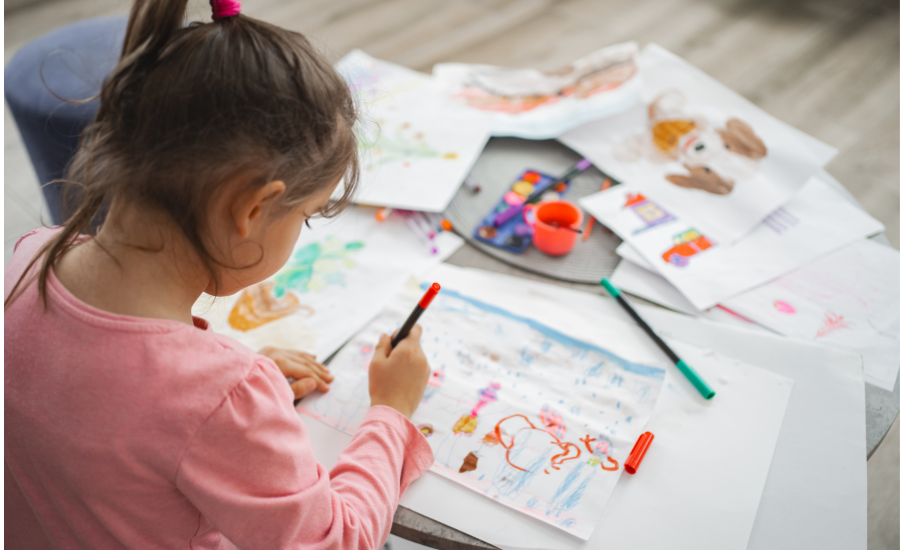
Kids art classes can turn free time into an opportunity to experiment, create, and discover something new. The key is making art feel less like another structured lesson and more like an experience children genuinely want to participate in.
Why Creativity Matters in a Screen-Focused World
Digital entertainment provides instant stimulation. Art works differently.
A child drawing a character, mixing colours, building something with clay, or creating a collage has to make decisions along the way.
What colour should I use?
What should I draw next?
How can I fix this?
What happens if I combine these materials?
These small decisions encourage children to think independently and explore possibilities.
Art doesn’t have to compete with technology by pretending technology doesn’t exist. Instead, it can offer something screens cannot easily provide: hands-on, open-ended creative exploration.
Make Art About the Process, Not Perfect Results
One of the biggest mistakes adults can make is focusing too much on how the finished artwork looks.
Children don’t need every drawing to be perfect.
In fact, a child who feels that every artwork must look “right” may eventually become afraid of experimenting.
A better approach is to celebrate the process.
Instead of asking:
“Why doesn’t it look like the example?”
Try asking:
“Tell me about what you created.”
This simple change gives children more freedom to develop their own ideas.
What Makes Kids Art Classes More Engaging?
The best kids art classes don’t necessarily involve children sitting quietly and copying a picture for an hour.
They can include a variety of activities and materials, such as:
- Drawing and sketching
- Painting
- Clay modelling
- Collage
- Crafts
- Mixed-media projects
- Colour experiments
- Texture activities
- Creative storytelling
- Three-dimensional art
Changing activities can keep younger learners interested while allowing them to discover different forms of artistic expression.
Turn Art Into a Challenge
Children naturally enjoy challenges.
Instead of simply saying, “Today we’re painting,” introduce a creative challenge.
Can you create a picture using only three colours?
Can you turn a circle into an animal?
Can you design your own imaginary city?
Can you create something using materials you have never used before?
These challenges give children a reason to think creatively rather than simply follow instructions.
And there doesn’t have to be a single correct answer.
Let Kids Choose
Choice can make a huge difference in a child’s interest.
If every project is predetermined, children may feel that art is another activity where adults tell them exactly what to do.
Giving them some control changes that experience.
Let them choose:
- Their colours
- Their subject
- Their materials
- Their characters
- Their background
- Their creative style
Even small choices can make a child feel more connected to the finished artwork.
Art Can Connect With Other Interests
A child doesn’t have to be interested in “art” to enjoy a creative activity.
A child who loves dinosaurs might enjoy creating a prehistoric landscape.
A football fan could design a team logo.
A child fascinated by space could paint an imaginary planet.
Someone who loves stories could illustrate their own book.
This is where creative education becomes particularly powerful: art can connect with almost any interest.
Can Technology and Art Work Together?
Absolutely.
Moving children from screens to creative activities doesn’t mean technology has to disappear completely.
Digital tools can actually introduce children to new artistic ideas. They might photograph their artwork, explore digital drawing, research artists, or use technology as inspiration before creating something by hand.
The goal isn’t necessarily screen versus art.
It’s about creating a healthier balance between passive digital consumption and active creative participation.
Finding Art Classes Nearby
For parents searching for art classes nearby, convenience matters, but it shouldn’t be the only consideration.
Before choosing a programme, look at what children actually do during the classes.
Ask:
- Are children encouraged to experiment?
- Is the programme suitable for their age?
- Are different art materials introduced?
- Do instructors encourage individual ideas?
- Is there a balance between instruction and creative freedom?
- Are classes interactive and hands-on?
- Does the environment feel welcoming to beginners?
A class that is easy to reach but doesn’t engage your child may not be the right choice. The best programme is one where children look forward to returning.
Create a Mini Art Studio at Home
Parents don’t need expensive equipment to encourage creativity.
A small space with basic supplies can become a creative corner.
Keep materials such as:
- Drawing paper
- Coloured pencils
- Crayons
- Paints
- Brushes
- Child-safe scissors
- Glue
- Recycled cardboard
- Coloured paper
available and accessible.
You can also create a weekly “creative hour” where children choose what they want to make without being given a specific assignment.
Sometimes, the simplest setup produces the most imaginative ideas.
From Screen Time to Studio Time
The goal isn’t to eliminate screens from children’s lives. Technology is an important part of modern childhood.
The opportunity is to make sure children also have time to create rather than only consume.
Art provides that opportunity.
Whether it’s through painting, drawing, clay, mixed media, or imaginative projects, creative activities give children space to experiment, make decisions, solve problems, and express themselves.
For parents exploring kids art classes or searching for art classes nearby, the most important question may not be, “Will my child become a great artist?”
Instead, ask:
“Will my child be excited to create?”
If the answer is yes, you’ve already found something valuable.