

 By
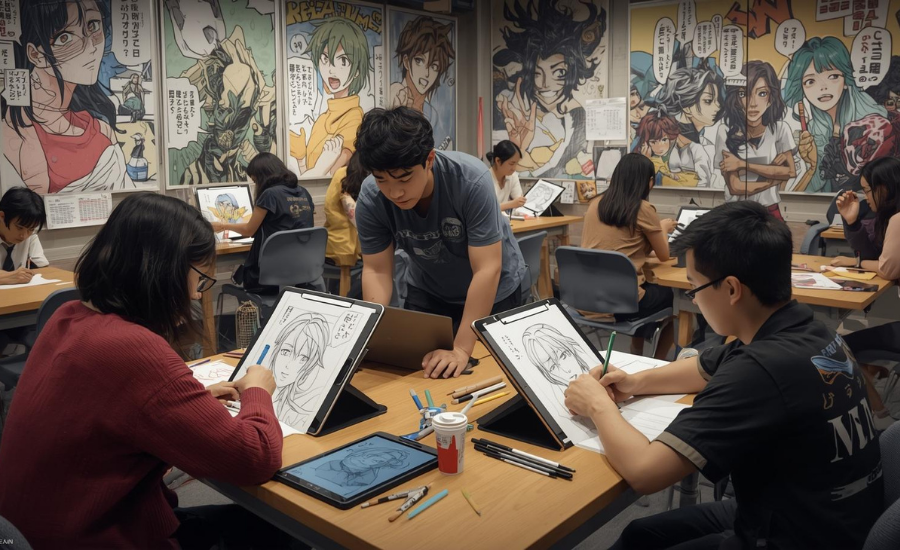
By Great manga isn’t just about impressive drawings—it’s about characters that feel alive. From expressive eyes to dynamic poses and emotional storytelling, memorable manga characters connect deeply with readers. This is where manga art classes play a vital role. Whether you’re a beginner or an aspiring manga artist, structured learning can transform flat sketches into compelling, expressive characters.
Let’s explore how manga art classes help you bring your characters to life.
Understanding Character Design Fundamentals
Art classes begin by teaching the foundations of character design. Students learn how to create balanced proportions, unique silhouettes, and recognizable features that make characters stand out.
You’ll understand:
- Head and body proportions
- Facial structure and expressions
- Age, personality, and style variations
By mastering these basics, artists can design characters that are consistent, believable, and visually engaging.
Expressing Emotion Through Facial Features
One of the defining strengths of manga is its ability to convey emotion vividly. Manga art classes train students to express feelings through subtle and exaggerated facial cues.
You learn how to:
- Use eye shapes and highlights to show emotion
- Adjust eyebrows and mouth positions
- Create expressions ranging from joy to anger to vulnerability
These techniques help characters communicate emotions even without dialogue.
Creating Dynamic Poses and Body Language
A static pose can make a character feel lifeless. Manga art classes teach anatomy and movement so characters appear active and expressive.
Students practice:
- Gesture drawing for natural movement
- Action poses for fight and adventure scenes
- Body language that reflects personality and mood
Dynamic poses add energy and realism, making scenes more immersive.
Developing Unique Personalities Through Design
A character’s design should reflect who they are. Manga art classes guide students in aligning visual elements with personality traits.
This includes:
- Clothing styles that match character roles
- Hairstyles and accessories that show identity
- Design choices that hint at background and story
Through thoughtful design, characters feel more authentic and relatable.
Learning Storytelling Through Visuals
Manga art classes don’t focus only on individual drawings—they teach visual storytelling. Students learn how characters interact within panels and how emotions evolve across scenes.
Key skills include:
- Panel flow and pacing
- Character interaction and reactions
- Expressive framing and angles
This helps artists tell stories where characters feel emotionally real and engaging.
Building Consistency Across Panels
Consistency is essential in manga. Classes train students to draw characters accurately from multiple angles and in different situations.
You’ll learn:
- Character model sheets
- Maintaining proportions and features
- Drawing expressions consistently
Consistency strengthens believability and professional quality.
Receiving Expert Feedback and Creative Guidance
One of the biggest advantages of manga art classes is professional feedback. Instructors help identify weaknesses and guide improvement.
Benefits include:
- Personalized corrections
- Faster skill development
- Increased confidence
Constructive critique pushes artists to grow creatively.
Growing Confidence and Creative Discipline
Regular practice, structured lessons, and guidance build discipline and confidence. Students gradually move from rough sketches to polished characters they’re proud of.
Manga art classes help transform passion into skill—step by step.
Final Thoughts
Bringing manga characters to life requires more than imagination—it requires technique, understanding, and practice. Manga art classes provide the tools, structure, and inspiration needed to turn ideas into expressive, believable characters.
Whether you dream of creating your own manga series or simply love character design, the right classes can help your characters truly come alive—one panel at a time.